November 25, 2025
Vibe Coding
We grooving and vibing
So AI is here; the genie is out of the bottle.
Go to any online tech space and you’ll see posters bemoaning the rise of AI: developers muttering about “vibe coding,” people laughing about “AI slop,” creatives slapping No AI was used in this creation on their work like a purity seal.
And don’t get me wrong, there are legitimate concerns: attribution, energy usage and climate change.
But I want to zero in on the vibe-coding panic.
First we had mechanical computers, then had to wire physical circuits. Eventually we go to punch cards, assembly and high-level languages. AI is simply the next rung in the ladder of how we program.
It’s the collective knowledge of programming; decades of advice, strategies, bug fixes, and best practices. All available in seconds. Why wouldn’t I tap that?
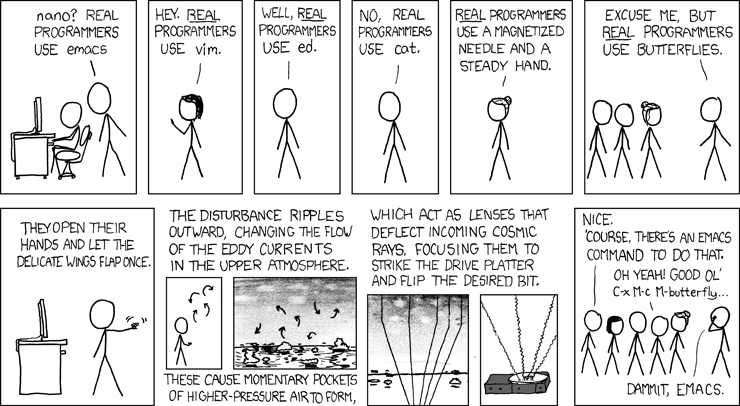
When high-level languages debuted, people complained: “You don’t know what the compiler is doing. You can’t trust it.” Funny how nobody really says that anymore.
Do people still write assembly? Sure.
Would my team send me straight to HR for a wellness check if I insisted on building our next feature in raw assembly because “I don’t know what the compiler is doing”? Also yes. And I’d be boxing up my desk before lunch.
AI tools have already become the fastest way to ship something. Describe what you want, let the model generate the scaffolding, and go get a sandwich.
The barrier to production has never been lower. That’s a good thing. It democratizes creation. It brings in people who historically couldn’t afford a developer or didn’t have the luxury of learning full-stack anything just to explore their ideas.
Scientists can prototype research tools without a grant.
Farmers can draft software that understands their land better than any tech bro CEO.
Homemakers, plumbers, tailors, anyone can shape technology instead of waiting for Silicon Valley to notice them.
Will hand-written programming go away? No. But the default will soon be: ask the AI first.
Developers’ jobs will evolve—less typing, more architecture. Less boilerplate, more design. More vision, less syntax.
Me? I’m leaning in.
I’ll be vibe coding from here on out.